
Introduction to Smart Home Devices
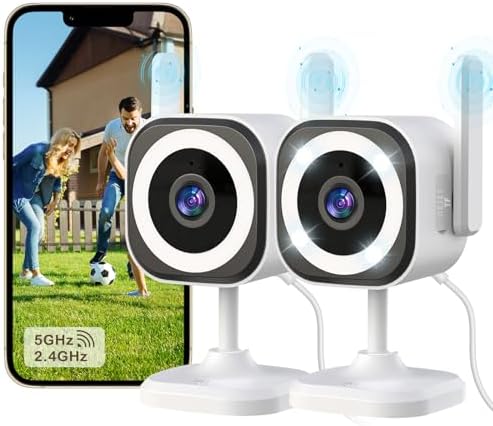
- 【IP66 & 2K HD Resolution & 3 Color Night Vision】This 2K IP66 waterproof outdoor camera is designed for both oudoor and i…
- 【5G External Antennas Provide Stronger Signals】The outside camera for home security is equipped with 5G external antenna…
- 【4X Auto Zoom & Alarm Push & A Key Turn On/Off】 Automatically 4X zoom in on moving object to capture more detail. It sen…
Smart home devices represent a significant advancement in home automation technology, integrating electronics, software, and connectivity through the Internet of Things (IoT). These innovative devices enable seamless communication and operation among various household appliances, enhancing the convenience and efficiency of daily life. In essence, smart home devices automate routine tasks, enhance security, and contribute to energy savings, while providing users with greater control through mobile applications and voice-activated systems.
The concept of smart homes originated from the need to improve the living experience through technological solutions. By leveraging sensors and interconnected networks, smart home systems allow users to manage their homes remotely, ensuring that their lifestyle preferences and security measures are met. Examples include smart thermostats, smart lighting, security cameras, and smart speakers, all of which showcase the diverse capabilities of IoT in creating a responsive living environment.
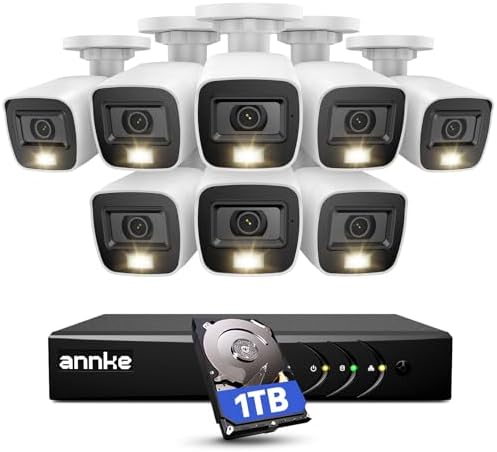
- 【Tried-and-True Safe Guard】This one-stop security solution works with TVI, AHD, CVI, CVBS & IP cameras. The 8CH 3K lite …
- 【AI Motion Detection 2.0】Driving AI to the next level, human&vehicle detection, flexible detection area are more accurat…
- 【Reliable 24/7 Continuous Recording】With a NEW surveillance grade pre-installed 1TB HDD(Support up to 10TB HDD), providi…
In today’s technology-driven world, the relevance of smart home devices has transcended the realm of luxury and is becoming increasingly commonplace. Driven by the advancements in wireless connectivity and artificial intelligence, these devices not only cater to the need for comfort but also address concerns related to energy efficiency and sustainability. Moreover, the growing trend of home automation signifies a cultural shift towards an interconnected lifestyle, where technology plays an integral role in enhancing the modern living experience.
By understanding the foundation and purpose of these devices, individuals can better navigate the expanding universe of smart home technology. As consumers increasingly seek out these solutions, the rise of smart home devices reflects a transformative evolution in how we interact with our living spaces, making them more intelligent and responsive to our needs.
The Evolution of Home Technology
The transformation of home technology has been remarkable over the years, evolving from simple mechanical appliances to sophisticated smart home devices. This journey can be traced back to the early 20th century when electrification began to take root in households. During this time, basic electrical devices such as refrigerators, washing machines, and vacuum cleaners emerged, significantly enhancing the efficiency and convenience of daily chores.
As decades passed, innovations continued to accelerate. The introduction of digital technology in the 1980s marked a pivotal change, exemplified by the release of programmable thermostats which allowed users to input specific heating and cooling schedules. This advancement laid the groundwork for the next evolution—networked and connected devices. The late 1990s and early 2000s saw the birth of the internet, further driving the interconnectivity of household appliances.

- Simple, Reliable Home Monitoring: A wireless, rechargeable camera with clear 2K video & dependable Dual-Band Wi-Fi that …
- Detailed Alerts Right to Your Phone: Smart Detection for people, vehicles, pets & packages. Get notified when a car pull…
- Quickly See & Respond: Get real-time Animated Previews without unlocking your phone, sound the siren, or call a friend i…
In the 2010s, home technology witnessed a dramatic shift with the advent of the Internet of Things (IoT). This technological leap enabled home devices to communicate with one another and be controlled remotely through smartphones and other smart devices. Smart speakers, smart thermostats, and automated lighting systems became commonplace, allowing homeowners to orchestrate their living environments seamlessly. With the introduction of voice-activated systems such as Amazon’s Alexa and Google Home, users are now able to control various appliances with simple verbal commands.
Key milestones have undoubtedly shaped the smart home landscape. The development of Wi-Fi and Bluetooth technology provided the backbone for device connectivity, while advances in artificial intelligence have refined user experiences by facilitating smarter automation and predictive capabilities. Today, we witness homes equipped with a multitude of devices that not only enhance comfort but also improve energy efficiency. The continuous evolution of home technology signifies a broader trend towards integrating intelligence into everyday living.
Categories of Smart Home Devices
Smart home devices have gained immense popularity, transforming everyday living. These devices are divided into several categories, each designed to enhance convenience, safety, and efficiency in modern homes. Here, we explore some key categories of smart home devices.
Smart Lighting: One of the most popular categories, smart lighting systems allow homeowners to control lighting through mobile apps or voice commands. Smart bulbs can be adjusted for brightness, color, and scheduling, making it easy to create the desired ambiance. Users can also set up automated routines, such as having lights dim in the evening or turn on at sunset.

- All-Around Dynamic Lighting: Govee outdoor wall lights deliver seamless lighting effects equipped with smooth color tran…
- 1200lm Bright White: With a color temperature from 2700K to 6500K, these wall sconces are able to shift from soft warm t…
- Wide-Range Illumination: The reflector cup design of this wall lamp extends up/down illumination coverage up to 12㎡, mak…
Security Systems: Home security has been revolutionized by smart devices that offer real-time monitoring and alerts. Smart security cameras, doorbell cameras, and motion sensors can be integrated into a cohesive system that can be monitored remotely. These devices typically feature advanced capabilities, including night vision, two-way audio, and intelligent alerts based on motion detection, providing homeowners peace of mind.
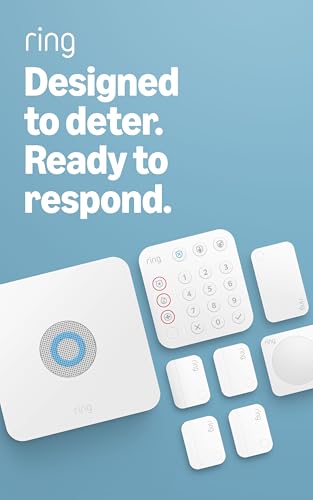
- A great fit for 1-2 bedroom homes, this kit includes one base station, one keypad, four contact sensors, one motion dete…
- Includes an intuitive Keypad that can arm and disarm your Alarm and Contact Sensors that detect when doors or windows op…
- Choose the Ring Alarm Kit that fits your needs and detect even more with additional Alarm Sensors and accessories (sold …
Climate Control: Smart thermostats and climate control systems help optimize energy usage, allowing homeowners to adjust heating and cooling settings remotely. These devices learn user preferences over time, ensuring optimal comfort while minimizing energy consumption. Integration with weather forecasts enables automatic adjustments, further enhancing energy efficiency.
Kitchen Appliances: The kitchen benefits significantly from smart technology, with appliances such as refrigerators, ovens, and coffee makers designed to streamline culinary tasks. Smart refrigerators can track inventory and suggest recipes, while smart ovens can be controlled remotely, allowing cooking at precise temperatures.
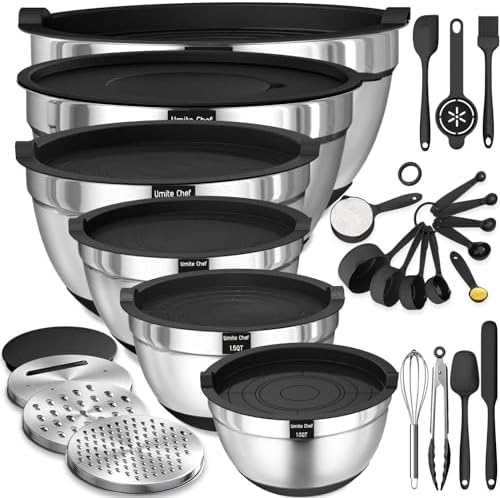
- AIRTIGHT LIDS & 3 GRATER ATTACHMENTS:The airtight lids that come with this mixing bowl set make it easy to store ingredi…
- NON-SLIP SILICONE BOTTOMS: The rubber on the bottom of the mixing bowls is for gripping and staying put which prevents s…
- NESTING BOWLS & DISHWASHER SAFE: These kitchen serving bowls can be nested together and offer space-efficient storage in…
Entertainment Systems: Smart TV systems, speakers, and streaming devices elevate the entertainment experience. These systems support seamless access to various content platforms and can be controlled via mobile devices or voice assistants, making it easier to enjoy media in a connected home.

- Large Accommodation – 23.6” wide shelf boards that this media stand has offer you enough space to place your stereo equ…
- Strong & Stylish Constructure – Very solid and shelves are very strong to hold everything. This audio rack is made of pr…
- Built-in Power Strips & LED Lights – Built in a power station including 4 receptacles plus 2 USBs, this AV media stand w…
Benefits of Incorporating Smart Home Devices
In recent years, the incorporation of smart home devices has revolutionized the way we interact with our living spaces. One significant advantage of smart home technology is the enhanced convenience it provides. With the ability to connect and control various devices through a central hub or smartphone app, homeowners can effortlessly manage their household activities. For instance, smart thermostats learn users’ preferences and adjust heating or cooling automatically, ensuring optimal comfort without manual adjustments.
Energy efficiency is another pivotal benefit of adopting smart home devices. These systems not only optimize energy consumption but also contribute to significant cost savings over time. Smart lighting systems can be programmed to turn off when a room is unoccupied, reducing unnecessary electricity usage. Additionally, smart plugs allow users to monitor and limit the power consumption of individual devices, further enhancing energy management.
Security is a growing concern for many homeowners, and smart home devices offer an enhancement in this area as well. Smart security cameras, doorbell cameras, and motion sensors provide real-time surveillance and alerts, enabling homeowners to keep a close eye on their properties. For example, receiving instant notifications when a package is delivered or when unusual activity is detected adds an extra layer of safety and peace of mind.
Moreover, the integration of smart home technology contributes to an improved quality of life. For individuals with mobility issues, smart devices can simplify daily tasks, such as controlling lights, door locks, and appliances through voice commands. Additionally, smart home ecosystems, like integrated speakers, allow for seamless communication and entertainment solutions, enhancing the overall living experience.
Considerations Before Adopting Smart Home Technology
As the popularity of smart home technology continues to rise, it is essential for potential users to assess various factors prior to integration. These considerations will ensure that their experience with smart devices is positive and meets their household needs.
The first aspect to examine is compatibility. Not all smart home devices function seamlessly together. It is vital to verify whether the chosen devices can communicate with one another, especially if users wish to build a comprehensive smart ecosystem. Compatibility with existing home networks and platforms, such as Alexa, Google Assistant, or Apple HomeKit, should also be evaluated, as this will influence how effectively these devices can operate together.
Additionally, security risks pose significant concerns with smart home technology. Users need to be aware that, while convenience is a considerable advantage, vulnerabilities also arise. Ensuring that devices have robust security features, such as encryption, regular firmware updates, and two-factor authentication, is necessary. Post-purchase, users should establish strong, unique passwords for their devices and monitor their networks for potential intrusions.
Cost is another determinant in the journey towards adopting smart home technology. While some devices may appear affordable initially, it is important to consider the long-term expenses, including subscriptions for advanced features or services. Users should also evaluate how many devices they need to invest in to achieve the desired automation level.
Finally, identifying specific needs is crucial. Each household will vary in its requirements; what suits one may not work for another. Users should assess which tasks they wish to automate or simplify with smart technology, ensuring the devices they choose align closely with their lifestyle. By thoughtfully considering these factors, consumers can confidently select and integrate smart home devices into their living spaces.
Top Smart Home Devices of 2023
The smart home market continues to expand rapidly, with numerous devices designed to enhance everyday living. In 2023, several devices stand out due to their exceptional features, user-friendly interface, and positive reviews.

- BUNDLE INCLUDES: Echo Dot (5th Gen, newest model) | Glacier White and Limited Edition, Disney Tim Burton’s The Nightmare…
- Our best sounding Echo Dot yet – Enjoy an improved audio experience compared to any previous Echo Dot with Alexa for cle…
- Your favorite music and content – Play music, audiobooks, and podcasts from Amazon Music, Apple Music, Spotify and other…
One such device is the Amazon Echo Dot (5th Gen), which serves as a compact smart speaker and personal assistant. With a price point of approximately $49.99, it allows users to control compatible smart home devices through simple voice commands. Reviews highlight its impressive sound quality and integration with services like Spotify and Apple Music, making it a robust addition to any household.

- 🔋 7200mAh High-Capacity Ring Doorbell Replacement Battery – 30% Longer Runtime: FLLA 3.65V premium Li-ion batteries with…
- 🎯 Universal Ring Camera Battery Compatible with Video Doorbell 2/3/3Plus/4/Pro & Spotlight Cam: Perfect fit for all Ring…
- ⚡ Multi-Charging Ring Battery Charger Station with Built-in & External Type-C Ports: Upgraded dual-slot charger supports…
For home security, the Ring Video Doorbell Pro 2 is a notable mention. Priced at around $249.99, it offers high-definition video, two-way audio, and motion detection alerts. Users appreciate the clarity of the video feed, especially at night, as well as how seamlessly it connects with other Ring devices, forming a comprehensive home security system.

- Product 1: OUR BRIGHTEST BULB YET: The Philips Hue 100W A21 bulbs produce double the amount of light vs our standard 60W…
- Product 1: Easily control your smart lights with the touch of a button, the sound of your voice or smart light accessori…
- Product 1: Seamlessly create the perfect ambiance for any occasion throughout your entire home.
Those seeking smart lighting solutions may consider the Philips Hue White and Color Ambiance Bulb. Retailing at approximately $49.99, these bulbs can be controlled via a smartphone app, allowing users to customize light settings to suit their mood or activity. The compatibility with platforms such as Google Assistant and Alexa enhances its functionality, garnering positive feedback from users.
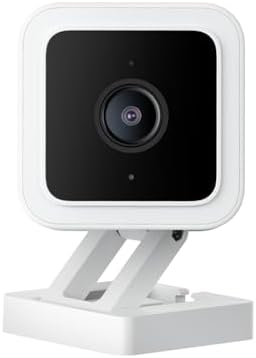
- Motion & Sound Detection: Wyze Cam sends an alert to your phone when baby is crying. 24/7 Continuous video recording wit…
- Indoor/Outdoor: Wyze Cam v3 is a wired video camera with an IP65 rating so you can confidently install it outside in the…
- 2-Way Talk: Wyze Cam now comes with simultaneous 2-way communication. Let your baby hear the sound of your voice no matt…
For homeowners on a budget, the Wyze Cam v3 stands out as an affordable yet capable security camera. Priced at around $36.99, it offers 1080p video, night vision, and two-way audio. Users often praise its reliability and ease of setup, making it an excellent entry-level option for those new to smart home technology.
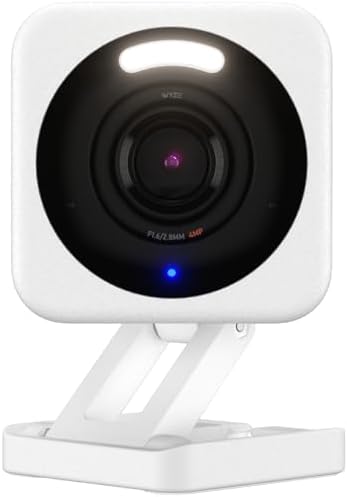
- 【2.5K QHD Resolution Security Camera】 – Elevate your monitoring with our security cameras featuring Quad High-Definition…
- 【Indoor/Outdoor Versatility】 – Engineered for durability with IP65 weather resistance, Wyze Cam v4 is an ideal security …
- 【Enhanced Color Night Vision】 -Whether it’s night or day, see everything in vivid color and clarity with this indoor cam…
The variety of options available allows consumers to choose devices that best fit their specific needs and budgets, highlighting the versatility and accessibility of smart home technology in today’s market.
Setting Up a Smart Home System
Establishing a smart home system can seem daunting, but breaking it down into manageable steps makes the process approachable. Start by selecting a suitable central hub, which acts as the brain of your smart home, coordinating communication between various devices. Popular options include Amazon Echo, Google Nest Hub, and Samsung SmartThings, each offering a unique user experience and compatibility with a range of devices.
Once you have chosen a central hub, the next step is connecting your devices. Assess your needs and decide which smart devices you want to incorporate, such as smart lighting, thermostats, locks, and cameras. Ensure that the devices you choose are compatible with your chosen hub. The setup usually involves downloading the device’s accompanying app, connecting to your home Wi-Fi, and following on-screen instructions for pairing each device with the central hub.
After successfully integrating your devices, the creation of automated routines can significantly enhance your smart home experience. Utilize your hub’s app to establish routines that activate specific devices based on triggers such as time of day, occupancy, or voice commands. For instance, you can program your smart lights to turn on automatically when you arrive home or set your thermostat to adjust in response to your daily schedule.
While setting up a smart home system can be relatively straightforward, occasional troubleshooting may be necessary. Common issues include devices losing connection, failure to respond to commands, or integration-related difficulties. In such cases, checking your Wi-Fi strength, resetting devices, or consulting the manufacturer’s support can efficiently resolve these problems. By carefully setting up your system and addressing any potential issues, you can create a seamless and functional smart living environment.
Future Trends in Smart Home Technology
The landscape of smart home technology is poised for significant evolution in the coming years, driven by advancements in artificial intelligence (AI) and growing consumer demand for integrated, user-friendly solutions. One of the most anticipated trends is the development of more intelligent AI systems that not only learn user preferences but also anticipate their needs. Such advancements will promote higher efficiency and convenience by allowing devices to communicate and coordinate autonomously.
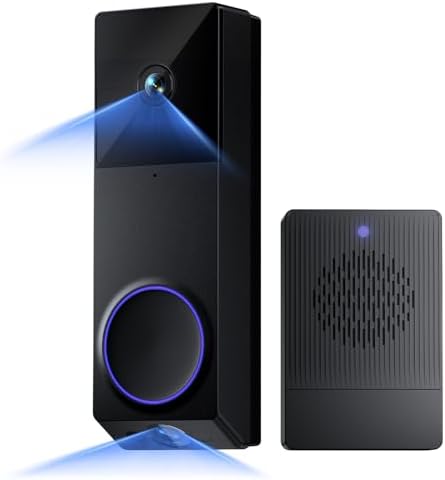
- Two Cameras. Two Views. Double the Porch Protection: One camera sees people, and another focuses on the doorstep for cle…
- 2K Video Resolution with Color Night Vision: Capture all porch arrivals and departures in greater detail. Our award-winn…
- No Monthly Fee or Subscription Required : Save recorded footage on a microSD card (up to 512GB, not included) or subscri…
Moreover, as environmental concerns continue to escalate, there is an increasing focus on the integration of renewable energy sources within smart home systems. Homeowners will be able to harness solar panels, battery storage, and smart grid technologies that optimize energy consumption while reducing carbon footprints. This trend will be further supported by government incentives and a broader societal shift toward sustainability, making smart homes more eco-friendly and economically beneficial.
As the adoption of smart home technology rises, so too does the necessity for enhanced privacy and security measures. Consumers are becoming increasingly aware of potential cybersecurity risks associated with connected devices, prompting manufacturers to innovate in this domain. Future smart home systems will be designed with robust security features such as encryption, secure user authentication, and real-time monitoring to safeguard user information and maintain privacy. Users can expect a more secure ecosystem where their data is protected without compromising the convenience that smart technology offers.
In conclusion, the advancements in AI, the integration of renewable energy sources, and heightened emphasis on privacy and security are pivotal trends shaping the future of smart home technology. These developments will not only transform individual living experiences but will also contribute to a more sustainable and secure connected world.
Conclusion: Embracing the Smart Home Revolution
The advent of smart home devices has ushered in a transformative era for modern living. As explored throughout this discussion, these technologies offer numerous benefits, including heightened convenience, improved energy efficiency, and enhanced security. The integration of smart devices into our homes not only simplifies everyday tasks but also contributes to a more sustainable lifestyle.
Key innovations such as smart thermostats, lights, and security systems demonstrate the potential to redefine how we interact with our living spaces. These devices provide homeowners with unprecedented control and adaptability, enabling real-time adjustments that cater to individual preferences and needs. Additionally, the connectivity offered by smart home technologies encourages a holistic approach to home management, allowing for seamless integration across various systems and appliances.
It is essential for residents to remain informed about the rapid advancements in this field, as the landscape of smart home technology continues to evolve at a remarkable pace. The emergence of new products and features underscores the need for consumers to periodically assess their setups and consider upgrades that may further enhance their living environments.
Adopting smart home devices can vastly improve one’s living experience, but it is crucial to choose the right solutions that align with personal lifestyles and preferences. As consumers become more educated about these technologies, they are empowered to make decisions that enhance not only convenience and comfort but also security and energy efficiency within their homes.
In conclusion, embracing the smart home revolution is an opportunity for individuals to elevate their living experience. By staying abreast of developments in smart home technology, homeowners can ensure that they are reaping the full benefits of this innovative shift, making their homes not only smarter but also more efficient and enjoyable.
